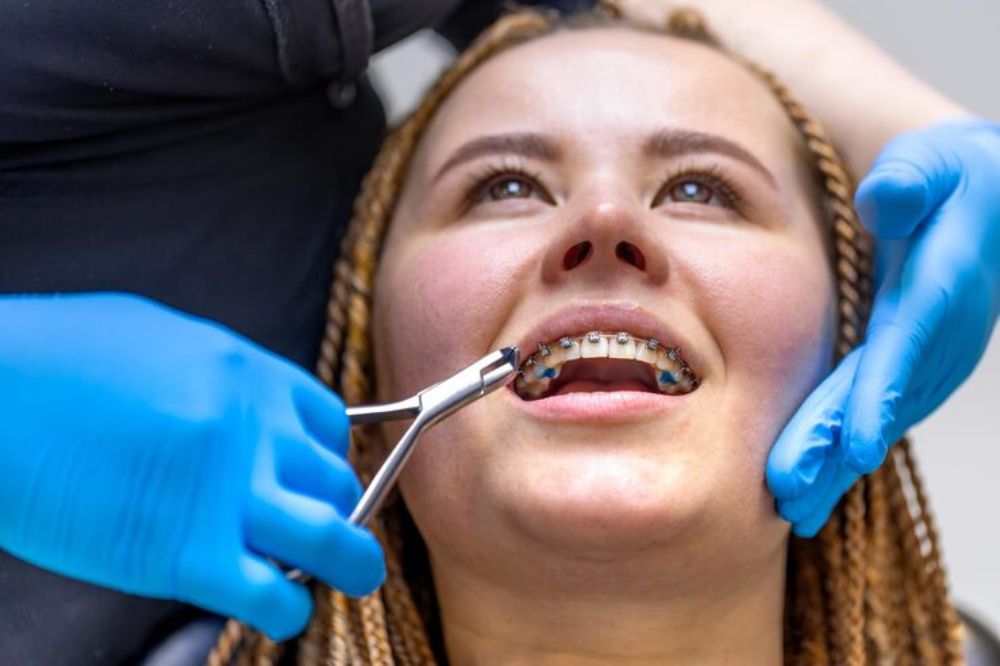
When you lose a tooth, nearby teeth can shift into the empty space. This can make it harder to replace the missing tooth with an implant or bridge.
That’s why seeing an orthodontist in Morton Grove is important. They can move the teeth back into the right position.
Fixing the spacing first helps your new tooth fit better and last longer.
Why Teeth Need to Move Before a Big Fix
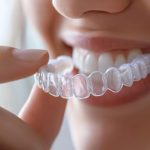
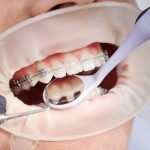
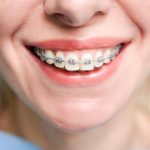
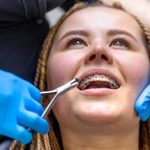
An orthodontist in Morton Grove uses braces or clear aligners to fix the “tipping” that happens when a tooth is missing.
If you try to squeeze a new tooth into a crooked or tight space, it might not look right or could cause pain when you bite down.
- Opening the Gap: Aligners push leaning teeth back to make enough room for an implant.
- Saving the Roots: Moving the roots of nearby teeth ensures they stay safe during dental surgery.
- Fixing the Bite: Making sure the teeth are the right height keeps your new crown from hitting too hard.
- Standing Teeth Up: This makes it much easier for a bridge to sit flat and stay comfortable across a gap.
Planning Your New Smile with Care
Finding a friendly orthodontist near you who works well with your regular dentist is the secret to a great result. They use 3D scans to see where the teeth are and how much bone is left in the gap.
This teamwork ensures that your jaw joints and your new porcelain teeth work together without any problems.
How Long Does This Pre-Work Take?
Many people choose pre-prosthetic orthodontics in Morton Grove because it makes their final smile look much more natural. Even though it takes a little extra time, the results are worth it.
- Small Fixes: Some cases only take 3 to 6 months to stand up a single tilted tooth.
- Full Moves: If many teeth have moved, it might take about a year to get everything ready.
- Waiting Time: After the teeth move, you might wait a few weeks for the bone to settle.
- Holding the Spot: You might wear a small retainer to keep the space open while your new bridge is being built.
The Main Goals of This Treatment
When you start pre-prosthetic orthodontic treatment, the main goal is to make the dentist’s job easier and your smile better.
Without this step, a dentist might have to “grind down” healthy teeth to make a replacement fit.
Orthodontics is better because it moves the teeth instead of cutting them, which keeps your natural enamel safe and strong.
The Best Perks of Fixing Gaps First
There are many benefits of pre-prosthetic orthodontics that help you stay healthy.
For one, teeth that are not crowded are much easier to brush and floss, which stops gum disease. Also, by lining up your bite, you stop your new, expensive dental work from chipping or breaking later on.
It is a great way to make sure your “new” smile stays pretty and works well for many years.
Comparing Standard Braces vs. Pre-Prosthetic Care
This table helps you see the difference between regular straightening and getting ready for a new tooth.
| Feature | Standard Braces | Pre-Prosthetic Care |
|---|---|---|
| Main Goal | Straightening for looks | Making room for a new tooth |
| Where it Works | Usually, the whole mouth | Often just one or two gaps |
| How long does it take | 18–24 Months | 3–12 Months |
| Final Step | Just a retainer | An implant or a bridge |
Using Braces for Missing Teeth
Choosing pre-prosthetic orthodontics for missing teeth actually helps with the bone loss that happens when a tooth is gone.
Moving a tooth into an area with thin bone can actually help the bone grow and get healthier.
This is a very smart way to use your body’s natural power to build a better home for a new tooth without needing extra surgeries.
Building a Strong Foundation for Your Smile
At Blossom Orthodontics, we know that a great smile needs a good plan. Our team is here to work with your dentist to make sure your mouth is ready for your new teeth.
We take pride in giving you kind, expert care that focuses on keeping you healthy and happy. You deserve a smile that looks great and works perfectly for a lifetime.
Reach out to us today to see how we can help you get ready for your new teeth!
Frequently Asked Questions
Can I use clear aligners instead of metal braces?
Yes! Clear aligners are very popular for this because they are easy to take out when you eat, and they are hard for other people to see. They work great for moving teeth back into their original spots before you get an implant.
Is this only for people getting dental implants?
No, this is also for people getting bridges or even partial dentures. It makes sure the new hardware fits comfortably and does not rub against your other teeth in a way that causes sores or pain.
Does this treatment hurt?
Moving teeth usually feels like a little bit of “tightness” for a day or two, but it is not a sharp pain. Most patients find it very easy to get used to, and it feels just like regular braces or aligners.
Will my insurance help pay for this?
Every plan is different, but many will help pay, if the treatment is needed to fix your bite or help you get a new tooth. Our team can help you check your benefits so you know the cost before we start.